Articles
Current releases and old favorites, read for what they're actually asking. New here? Start with Start Here.

Trample: Silence and the God Who Finally Speaks
A priest spends twenty years listening for a God who says nothing. When the voice finally comes, it tells him to do the one thing he came to Japan refusing to do.

The Only Man Who Sees the Camera: Fleabag and the Terror of Being Known
For two seasons she escapes into the camera whenever a moment gets too close. Then a priest looks straight at where she went — and the show turns out to have been about being seen all along.

You're Always in the Garden: First Reformed and the Sin of Despair
A dying pastor is asked whether God will forgive us for what we've done to the world. First Reformed spends two hours refusing to answer — and locates the real danger somewhere other than where you expect.

A Nativity Without a Star: Children of Men and the Cost of Hope
Eighteen years without a child, and then one. Children of Men builds a Nativity with no angels, no star, and no guarantee — and finds out what hope costs when nothing confirms it.

'We All Have It Coming' — Unforgiven and the Revenge That Doesn't Heal Anything
William Munny gets his revenge in the end. The film makes sure you understand exactly how little that fixes — including for him.

Chihiro Almost Forgot Her Own Name — Spirited Away and the Fight to Stay Yourself
Yubaba steals workers' names to own them. Chihiro spends the whole film fighting to remember hers. Miyazaki isn't working from Christian theology — but he's asking a question Scripture answers with unusual force.
The List Was Never Enough — Schindler Knew It
Oskar Schindler saves over a thousand lives and still falls apart, weeping that he could have sold his car, his pin, done more. The film's answer to his grief is the whole point.
Rocky Doesn't Win — And That's the Whole Point
Rocky Balboa loses the fight. What he gets instead is something the scoreboard can't measure — and it's closer to grace than victory ever could be.

Guido Turns a Death Camp Into a Game — Life Is Beautiful and the Love That Lies to Protect
Guido tells his son the concentration camp is an elaborate game. It's a lie. It's also the most protective act of love the film can imagine, and it costs him everything.

'You Are Who You Choose to Be' — The Iron Giant's Answer to Being Built for Destruction
A weapon of mass destruction learns to say 'Superman' instead of shooting first. Its final choice is the most theologically loaded four words in 1990s animation.

Groundhog Day Is a Purgatory Story That Forgot to Mention God
Phil Connors repeats the same day until he becomes someone worth loving. The film never says the word purgatory. It doesn't have to.

John Coffey Healed Everyone But Himself — The Green Mile and Suffering That Isn't Deserved
A wrongly convicted man heals a guard's infection, cures a warden's wife, and walks to the electric chair anyway. The Green Mile doesn't ask you to solve that. It asks you to sit in it.
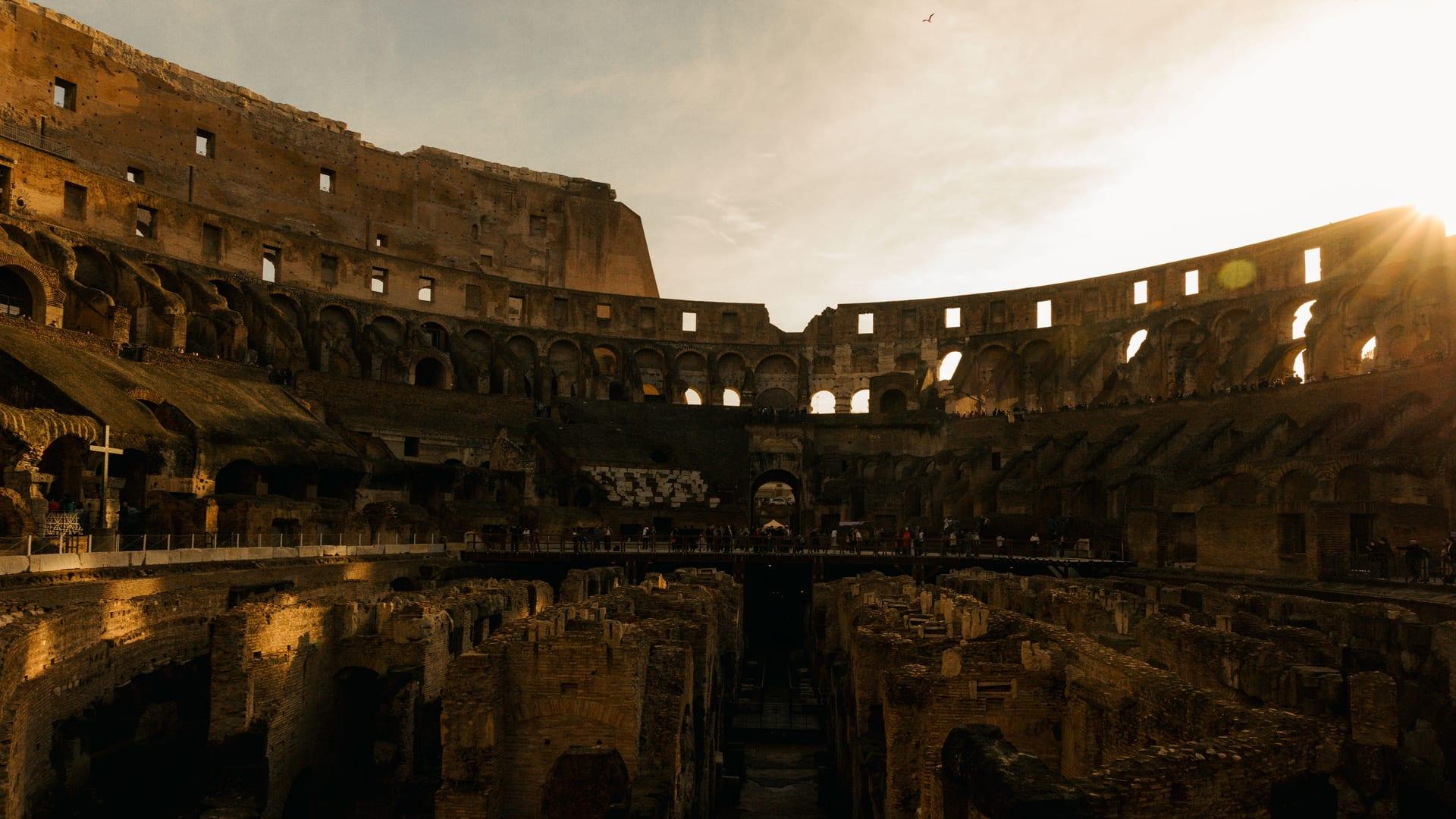
Maximus Never Wanted the Throne — Gladiator and the King Who Refuses to Rule
Marcus Aurelius offers Maximus the empire. Maximus doesn't want it — he wants to go home. That refusal is the most interesting thing about him, and it's older than Rome.

Rick Blaine Gives Up the Girl — And That's the Only Ending That Works
Casablanca ends with the hero losing the woman he loves, on purpose, and it's the most romantic ending Hollywood ever produced. That should tell you something about what love actually is.

One Man, One Prayer: What Project Hail Mary Knows About Grace
Ryland Grace didn't volunteer. He didn't want the mission. He woke up alone in deep space with no memory of how he got there. That's not a superhero origin story. That's a prophet story.
What We've Been Waiting For: Invincible Season 4 Is Here
Three seasons of building. A father who lied about everything. A son made of the same blood. The Viltrumite War starts today — and LogosWithin has been waiting for this one.
Praise Kier: How Severance Builds a Perfect Fundamentalist Religion
Lumon Industries doesn't just look like a religion. It functions like one — with scripture, confession, punishment, saints, and a founding patriarch whose words must never be questioned. The show understands fundamentalism better than most theologians.
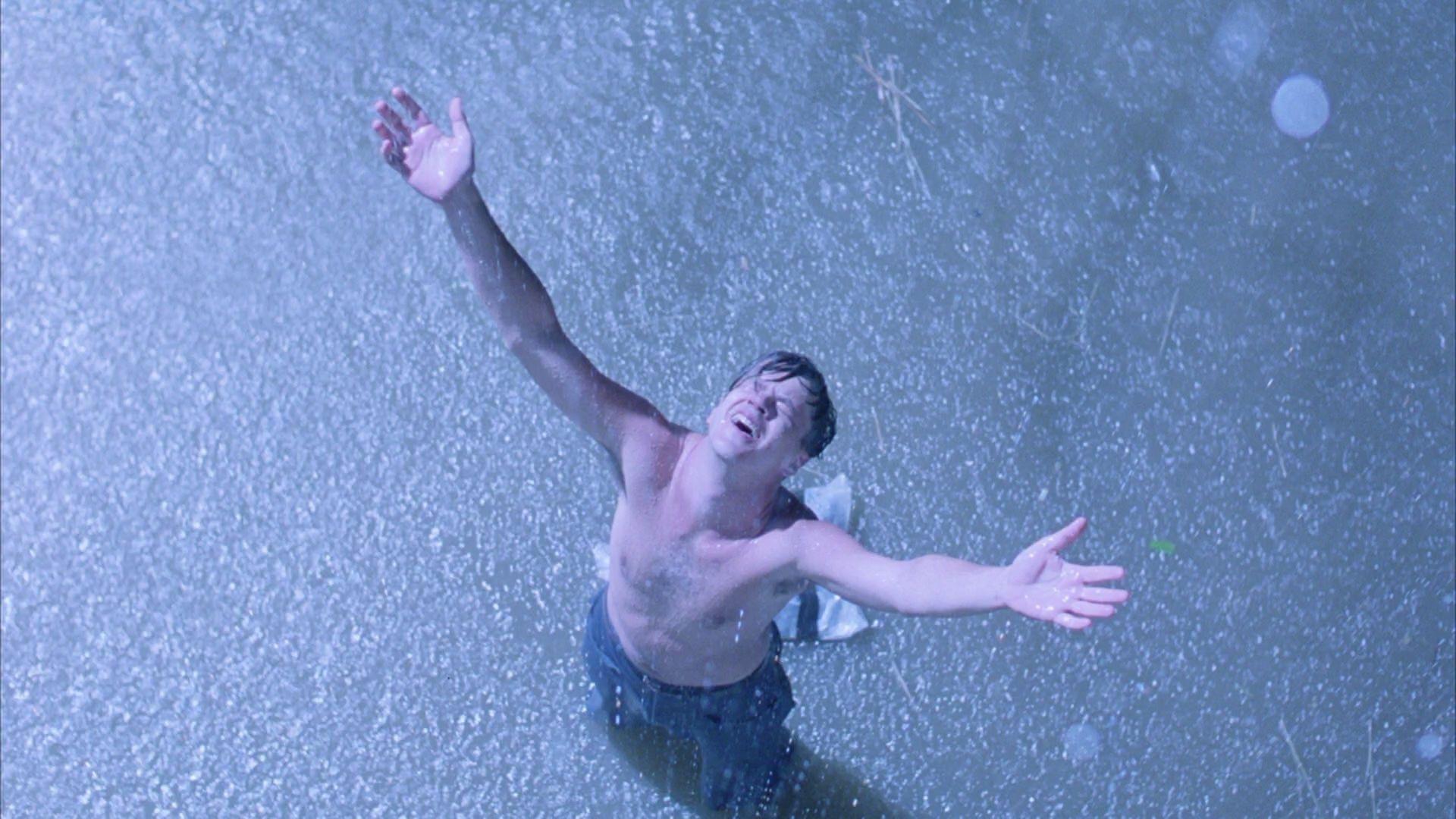
The Resurrection Hidden in The Shawshank Redemption
Andy Dufresne doesn't just escape Shawshank. He dies and rises. Whether Darabont intended it or not, the story knew what it was doing.
Joel Miller and the Sacrifice God Made That He Wouldn't
Joel Miller is asked to do what God did — let the child he loves die so the world might live. He refuses. The Last of Us is more theologically interesting for showing a man make the fully human choice, not the divine one.
Nothing Means Nothing: The Everything Everywhere Problem
Jobu Tupaki builds a black hole that swallows everything because nothing matters. Evelyn chooses love anyway. This film is a philosophical argument — and it's worth taking seriously.
The Gospel According to Squid Game: Is One Life Worth the World?
Squid Game Season 3 asks its central question out loud: is one life worth sacrificing for many? The Gospel already answered it. The show's power comes from showing what it actually costs to say yes.
The Bear and the God of Small Things
Carmy Berzatto is destroying himself to make perfect food for people he loves. The Bear is a show about what it costs to care about something — and whether that cost is worth paying.
Adolescence and the Weight of Guilt Without a Gospel
The Miller family is drowning in guilt they cannot release. Adolescence is one of the most honest portraits of what secular frameworks cannot do — and quietly points toward what they're missing.
Why Batman Takes the Blame: The Dark Knight and Substitutionary Atonement
Batman rides off into the dark, hunted and alone, carrying guilt that isn't his. There's a theological word for what he does — and it's older than Gotham.
The White Lotus and the Spiritual Tourist
Season 3 of The White Lotus sends its characters to Thailand to shop for meaning. Buddhism, Christianity, hedonism — everything is available at the resort price. Paul at Mars Hill would recognize the problem immediately.
I Am Iron Man: Why Tony Stark's Sacrifice Hits Different If You Know the Gospel
Grown adults cry at five words from a dying man in a metal suit. The question worth asking isn't whether it's earned — it is. The question is why that particular shape of love moves us so completely.
Born Again: Daredevil and the Catholic Who Can't Stop Fighting
Matt Murdock is the most theologically serious superhero in mainstream media. His story is the oldest story in Christianity — the person who knows exactly what they should do, and keeps doing the opposite anyway.
The Matrix Was Always a Religious Film — Most People Just Missed It
When The Matrix dropped in 1999, critics slotted it as sci-fi action. Philosophy professors assigned it alongside Descartes. Almost everyone missed what the Wachowskis were actually building.
Vecna as the Antichrist: Stranger Things Season 5 Finishes What It Started
We already wrote about the Upside Down as spiritual warfare. Season 5 completes the picture. Vecna is not just a villain — he is a structural Antichrist, and the show understands that role with uncomfortable precision.
The Upside Down Is Real: What Stranger Things Gets Right About Spiritual Warfare
The Upside Down isn't chaos. It has structure. It mirrors our world, operates invisibly, and works through people's existing weaknesses. There's a two-thousand-year-old text that describes exactly that.
Walter White Didn't Fall — He Chose: What Breaking Bad Teaches Us About Sin
There's a moment in Breaking Bad that a lot of people misremember. They think Walter White starts out good and slowly becomes bad. The accurate version is worse: he starts out wanting to be bad, and slowly gives himself permission.
The Boy Who Lived and the Son Who Died: Harry Potter and the Shape of Sacrifice
Strip away the wands and robes, and the parallels between Harry's story and the Christian narrative are striking — and worth examining honestly. J.K. Rowling wasn't hiding them.